A new toilet solution to stop wasting clean water
A Solarid Toilet is waterless, reliable, and ready for daily use without wasting clean water.
There is no additional work or odor involved in using it than with a standard, water flush toilet. Each Solarid toilet can save 10,000 – 15,000 gallons of clean water per year.
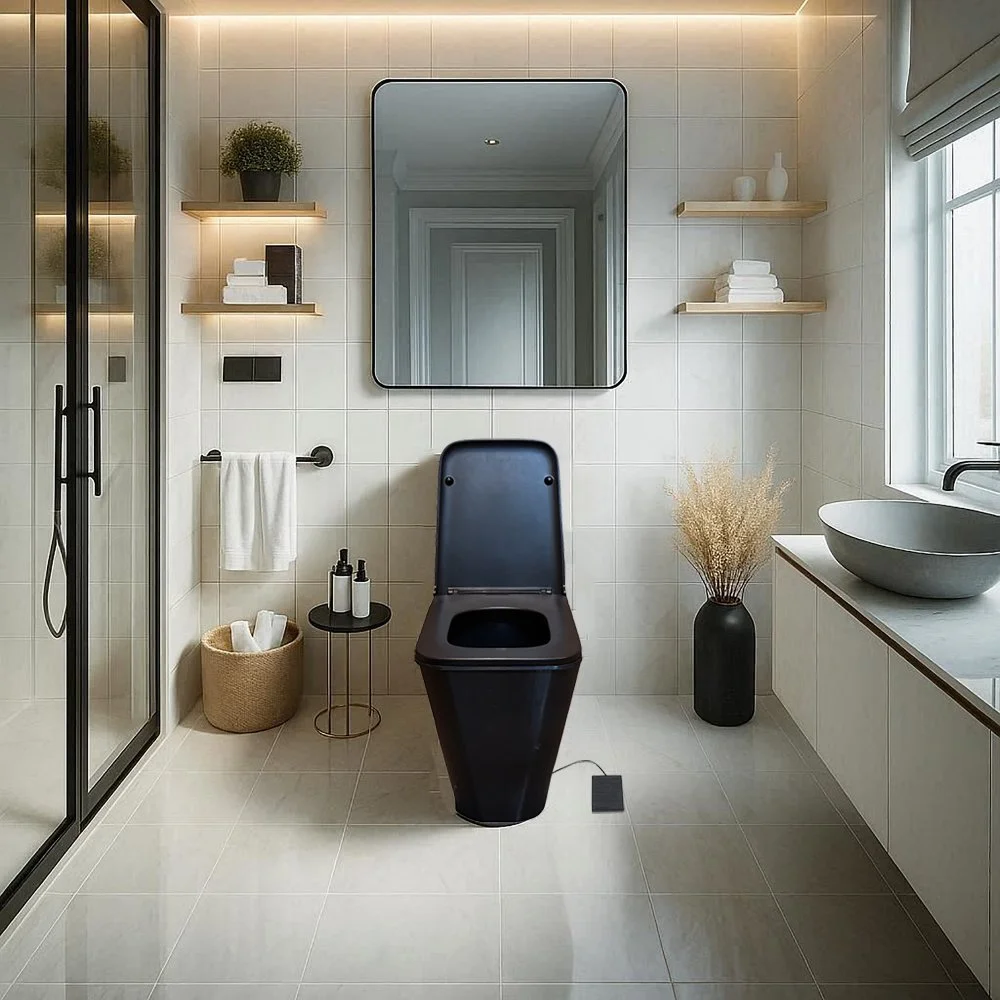
Solarid Toilet technology
People-focused engineering that provides the same familiar feel and reliable operation as a water flush toilet. List price: $1,495.
-
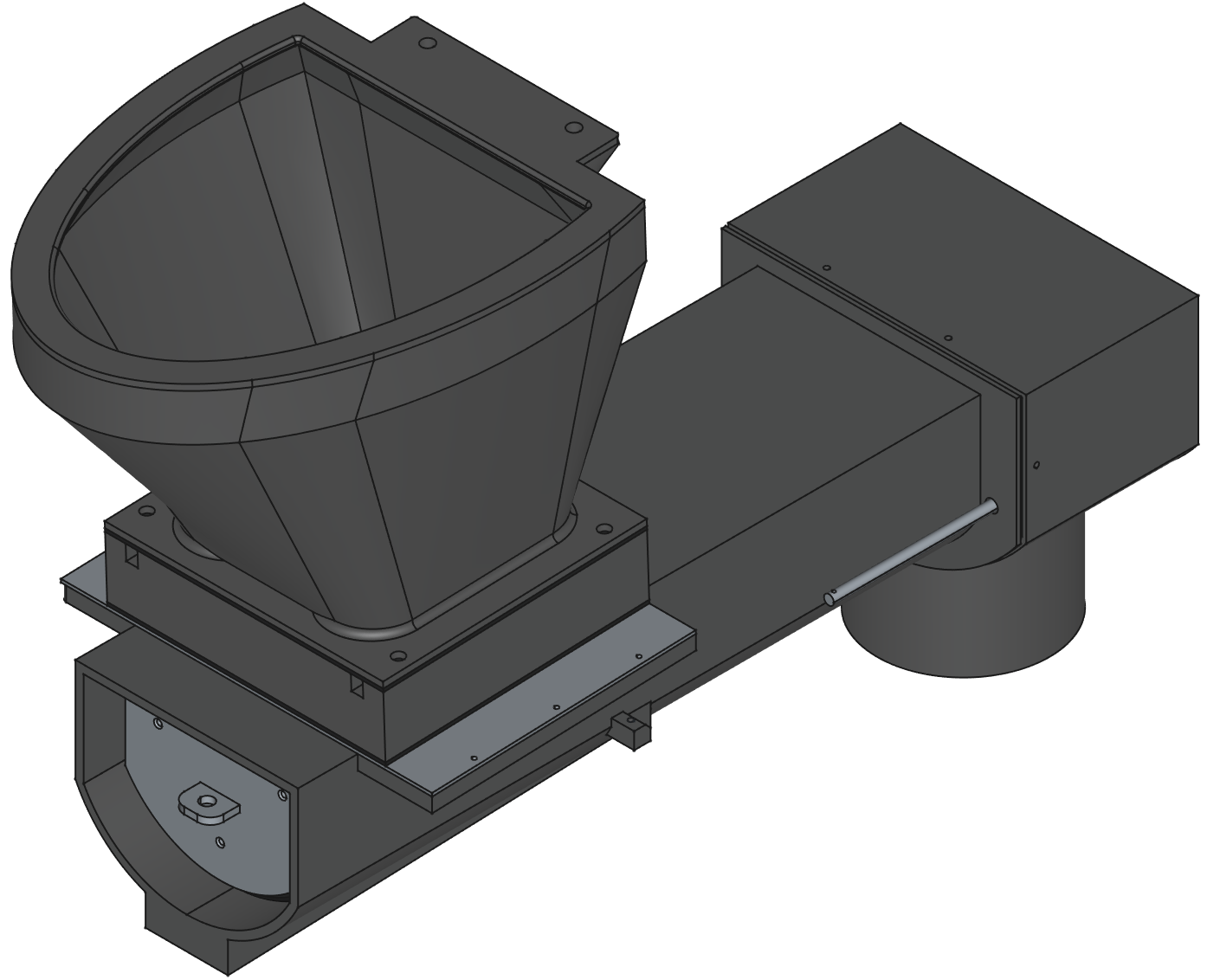
The Solarid Toilet uses a heavy, plastic piston to move waste into an external tank with minimal power and no water.
Step on the foot pedal to activate the piston. The tight-fitting piston pushes waste directly into the sealed tank for a clean, hands-free, and reliable flush every time. The flush cycle takes 24 seconds and is virtually silent compared to a water flush.
-
Operating Voltage: 120 vac or 12 vdc
Power Used: 1 kWh/month
Water Usage: 0 Gallons
Number of Flushes Per Day: Unlimited
Temperature Range: -10°F to 130°F
Material: Plastic
3D Printed in the USA
-
A built-in microprocessor tracks usage and displays the system status on an LCD display.
If no 120V AC is available, it can run off a 12V battery charged by solar panels. A back-up battery is also included in case of power outages.
-
Standard Model
Compact Model
Squat Model
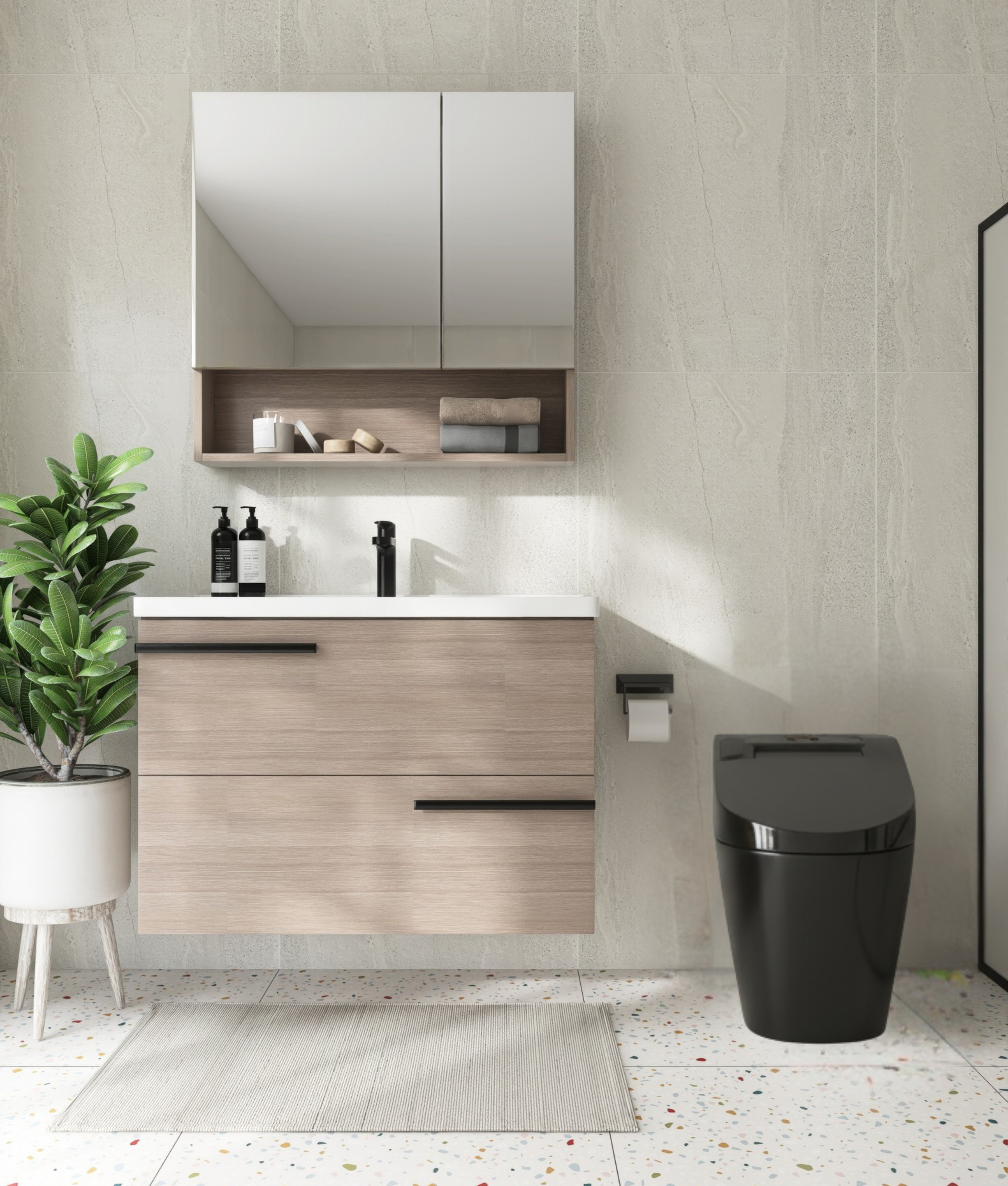
Works where traditional systems fall short.
Ideal for remote sites, off-grid builds, and locations without sewer or septic access.

A familiar flush, no water required.
The dry-flush piston removes waste without using clean water.
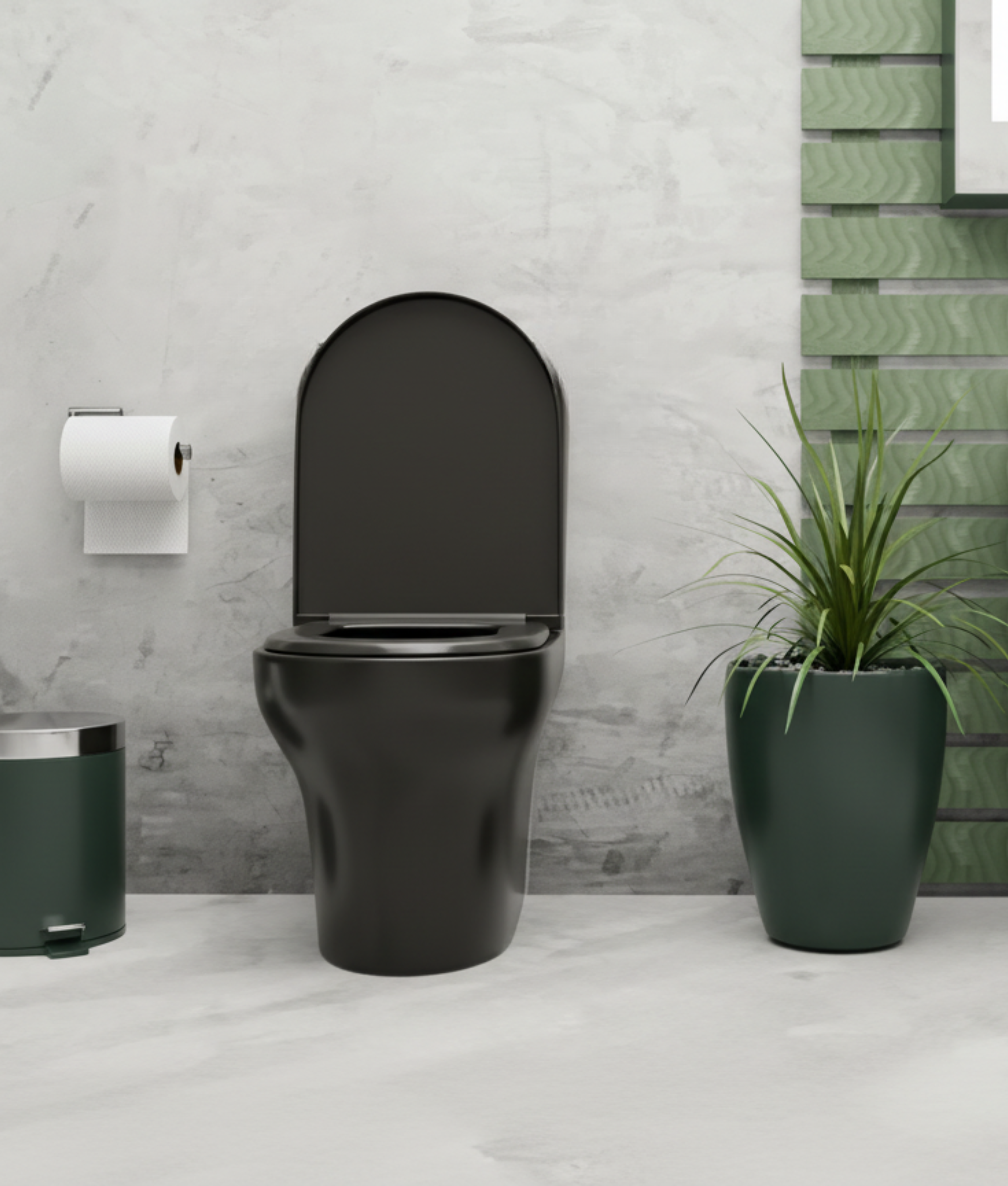
Low-maintenance by design.
A single moving part and a sealed containment tank keep operation simple and dependable.
Solarid Toilet revolutionizes the waterless toilet
Developed by engineers. Patented design. Unparalleled waterless sanitation.
The Solarid waterless toilet uses patented dry-flush technology to deliver clean, contained sanitation without water, plumbing, or septic connections. A simple foot pedal activates the dry-flush cycle, transferring waste to a sealed holding tank with each use.
This fully self-contained waterless toilet system provides reliable performance and uses zero clean drinking water.
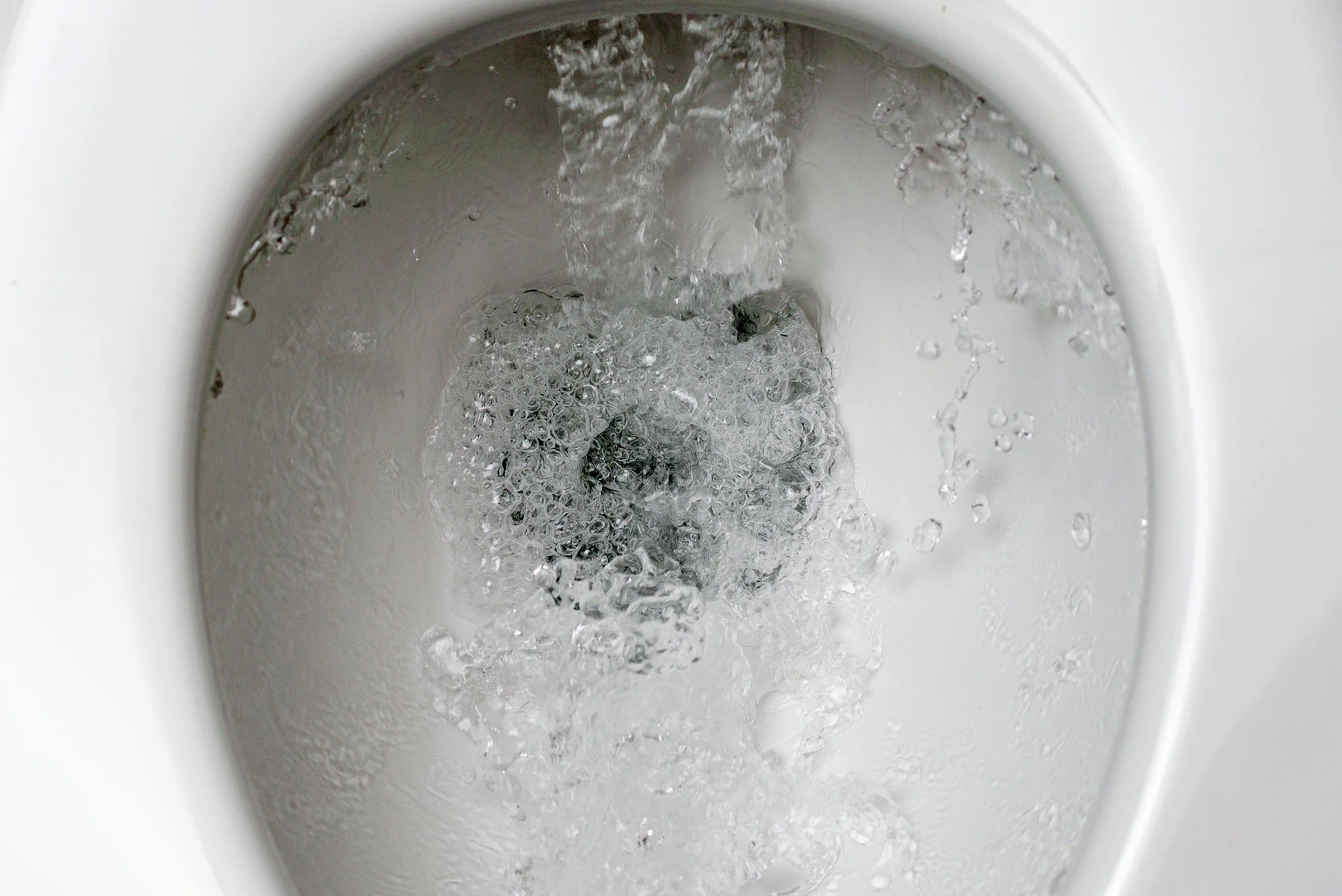
Stop the cycle of flushing away clean water
The United Nations recently declared that the world is entering an era of water bankruptcy, in which water scarcity has become utterly irreversible in some regions. It was previously anticipated that by 2030, water demand would outstrip supply by 40%.
Toilet water use in the home
Total Household Water Usage: The average American family uses more than 300 gallons of water per day at home, with toilet use contributing a significant portion of that demand.
Largest Indoor Water User: The household toilet is the single largest indoor water consumer, accounting for nearly 30 percent of total indoor water use*. Toilets are also a leading source of residential water leaks, increasing both water waste and utility costs.
*Use depends on the number of bathrooms and the living situation. The percentage can vary.
Toilets 27%
Advantages of the Solarid Toilet
Uses no water. A typical U.S. toilet flushes away an average of 24 gallons of clean drinking water per day.
Eliminates water mist from typical “flushing”, creating a more sanitary bathroom environment.
The foot pedal-activated “flush” operates more quietly than a traditional water-based toilet.
The Solarid Toilet uses a foot pedal to initiate waste removal rather than a flush handle or button.
The Solarid Toilet eliminates water leaks, which account for 14% of household water waste. Most often caused by a failing toilet flap.
The Solarid Toilet System operates with a single moving part, supporting long-term reliability.
Works without a drain field or a sewer connection.
Features a 6-inch waste pipe that reduces the risk of clogs.
Uses an average of 1 kWh per month and includes a backup battery to maintain operation during power outages.
What people are saying about the Solarid Toilet
“I used the Outhouse Solarid Toilet for about 1 year and the ADU Solarid Toilet starting 2 years ago until present. They worked really well. Everything looked clean and modern, and there was no bad odor at all. Flushing with the foot pedal was easy and felt hygienic. Overall, the system was simple to use and very effective.”
— Manny R., Property Maintenance Manager, FLORIDA
In 2011 and 2012 I lived in a tiny home in South Florida that had a Solarid Toilet. The home was off grid using solar panels for electricity and water was trucked in. The Solarid Toilet saved me a lot of water to use for showering and washing dishes instead of flushing the toilet with water. The toilet looked and felt like a regular toilet, was easy to clean, and easy to flush. I liked using the foot pedal instead of a handle. Odor was never an issue.”
— Rick A., Manager, Day Worker Program, FLORIDA
“Our Solarid Toilet is installed in a semi-permanent mobile structure on our farm. Septic constraints made it impossible to add another bathroom, and Solarid provided a reliable alternative. We host more than 40 volunteers each week, and the toilet experience feels familiar. The tank is easy to service using our existing septic provider, which keeps maintenance simple. Having this second bathroom on site has allowed us to offer a better mobile restroom experience for volunteers and events. During the summer, the system runs on solar power, supporting our off-grid setup. Living in an all-weather climate, we have seen consistent performance in both extreme cold and extreme heat.”
— megan p. Vice President, animal welfare nonprofit, WisconsinLet’s work together
We are currently seeking mission-aligned partners to pilot our dry-flush technology. Fill out the form below, and a member of our team will reach out.