Solarid Toilet
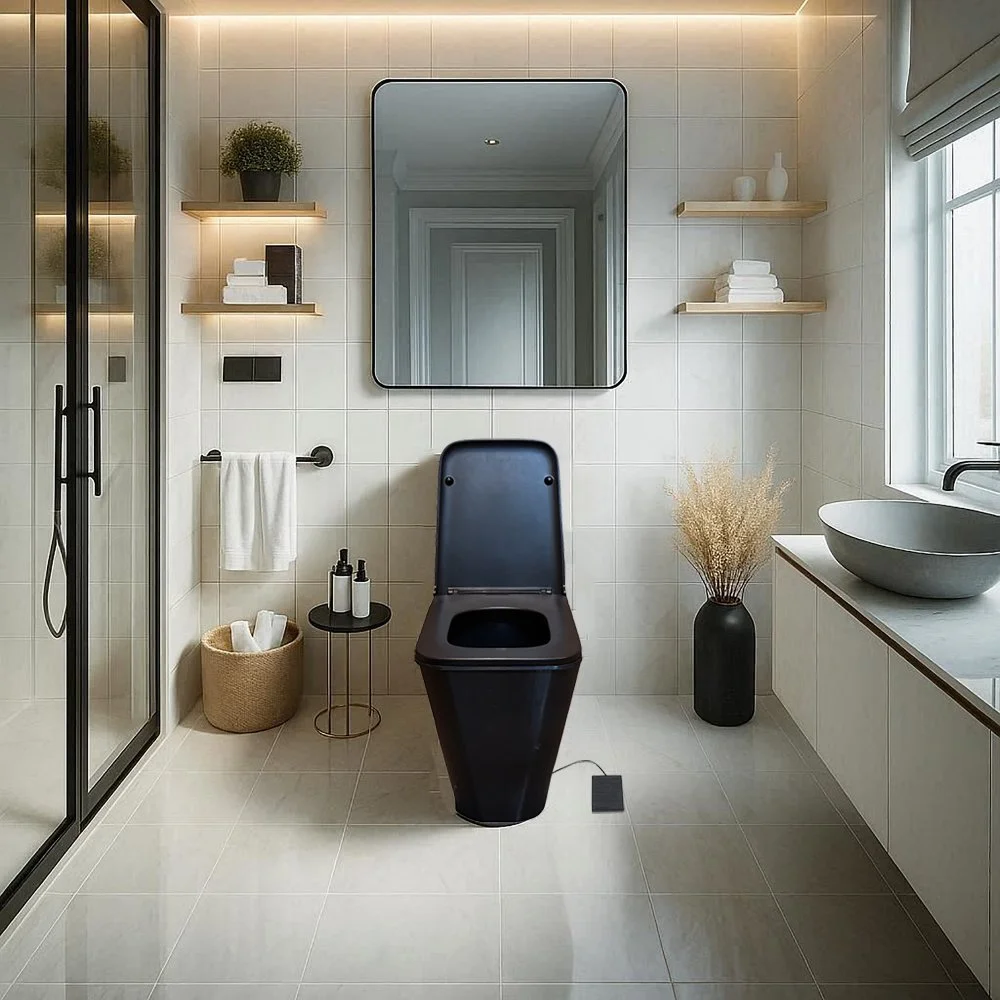
Solarid is a waterless toilet that uses an automated piston to move waste from the bowl into a sealed collection system, such as a compost setup or external tank, each time the user flushes.
Advanced Features: A built-in microcontroller tracks usage and service needs. A backup battery allows uninterrupted use during power outages.
Built for Use:
Operating Voltage: 120 vac or 12 vdc
Power Used: .04 kWh/day, 1 kWh/month
Water Usage: 0 Gallons
Number of Flushes Per Day: Unlimited
Temperature Range: -10°F to 130°F
Compatible With: Sealed waste tank, black water tanks, compost systems
Material: Plastic
3D Printed in the USA
Starting at $2,995 + shipping
Solarid Toilet design & performance
Low-Noise Flush
The piston-driven flush operates at under 40 decibels. This keeps operations discreet in compact layouts where bathrooms are located near living, sleeping, or shared areas.
Weather Ready
Designed to operate reliably in freezing temperatures and varied climates. The system supports consistent use in cabins, seasonal homes, and small structures exposed to year-round conditions.
Self-Contained System
Waste is stored in a sealed external holding tank, compost tank, or compatible management system. This supports flexible installation in small footprints and simplifies integration into compact building designs.
Automated Monitoring
An integrated control panel shows system status and usage for simple, at-a-glance management.
Sanitary Operation
A foot pedal activates the flush cycle, allowing hands-free operation. The sealed system supports a clean, contained setup in shared or high-use small spaces.
Back-up Battery
A built-in 12 VDC back-up battery supports continued operation during power interruptions.
Solarid Toilet Models
Built for different sites, same dry toilet system. Every Solarid Toilet model comes with a durable bowl, seat, and lid, waste-moving piston, control switch and wiring, waste chute, 12-volt battery, hands-free foot pedal, 6-inch sewer pipe outlet, manual override switch, and all required mounting hardware.
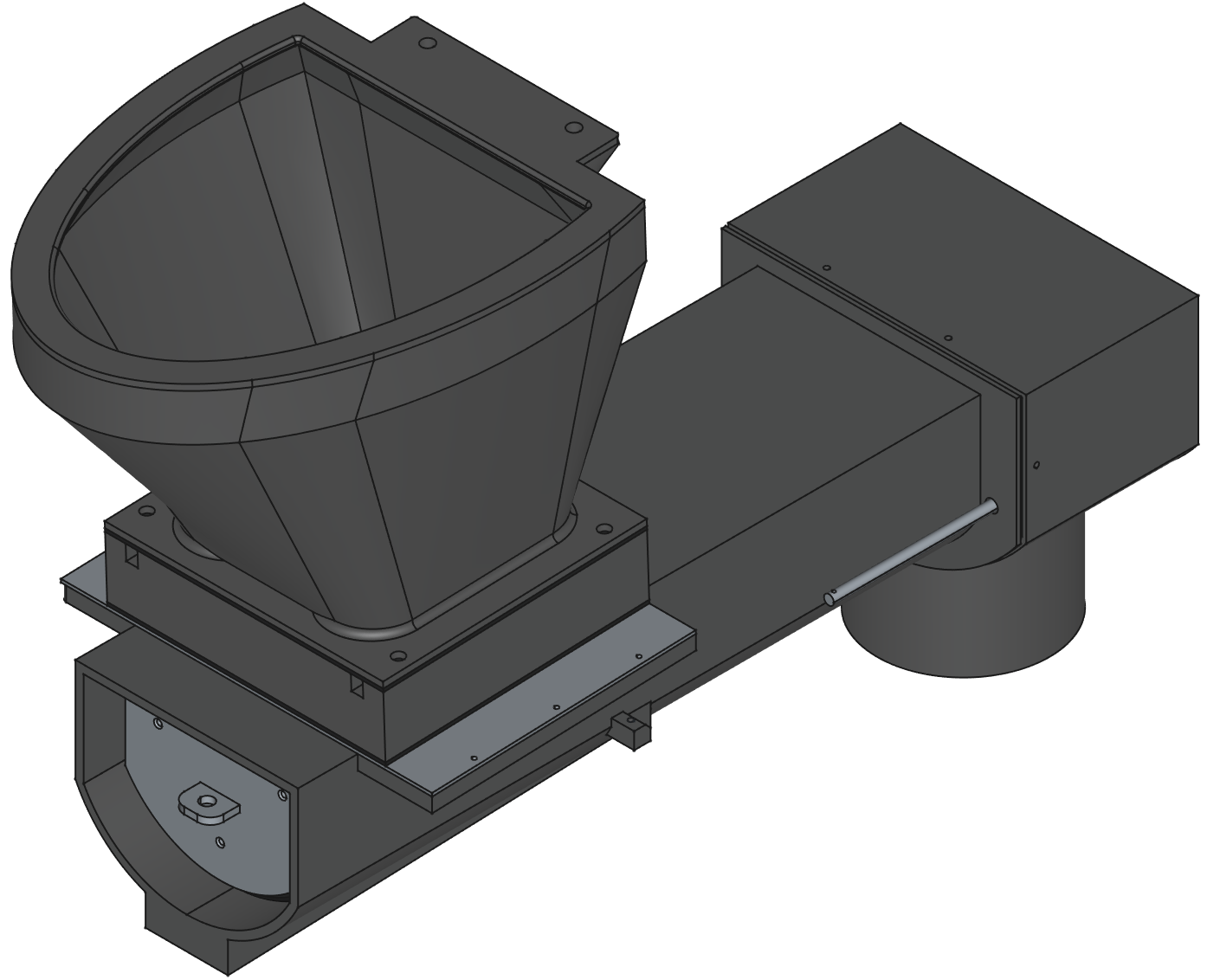
Extended Solarid Toilet
24-inch waste chute
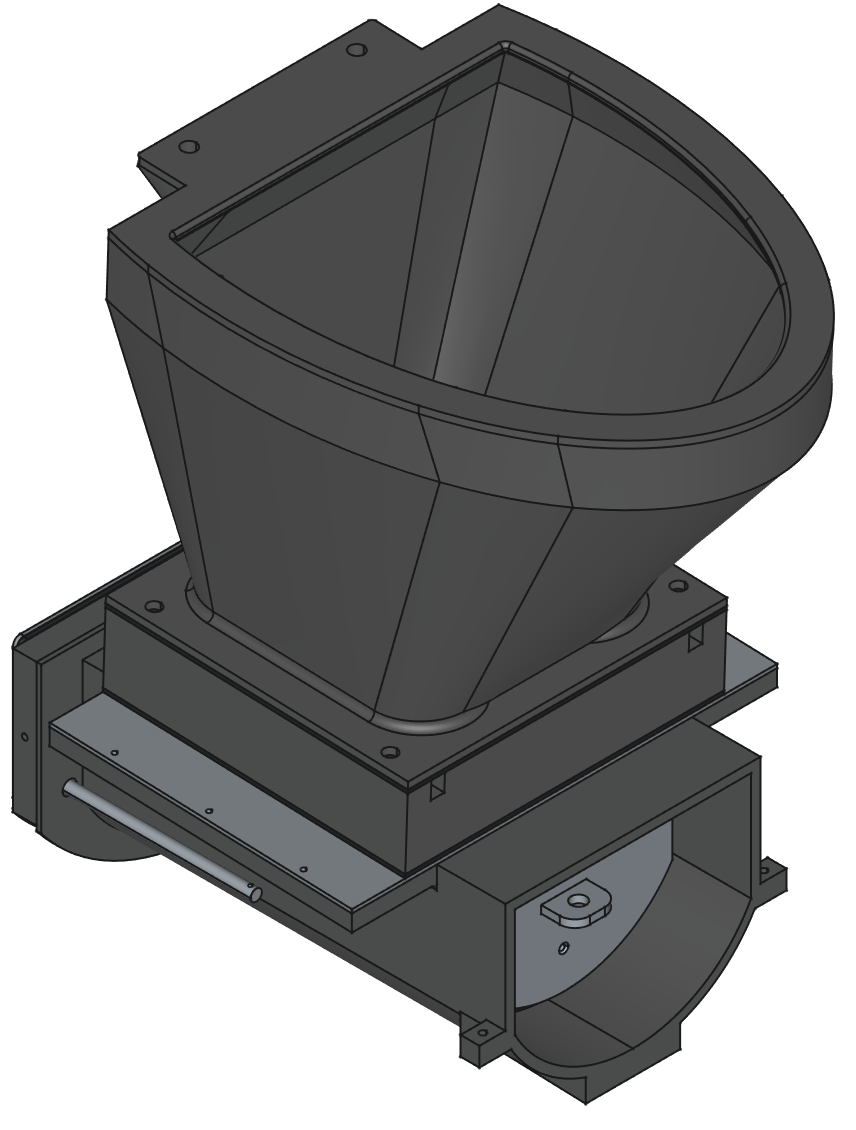
Solarid Toilet
12-inch waste chute
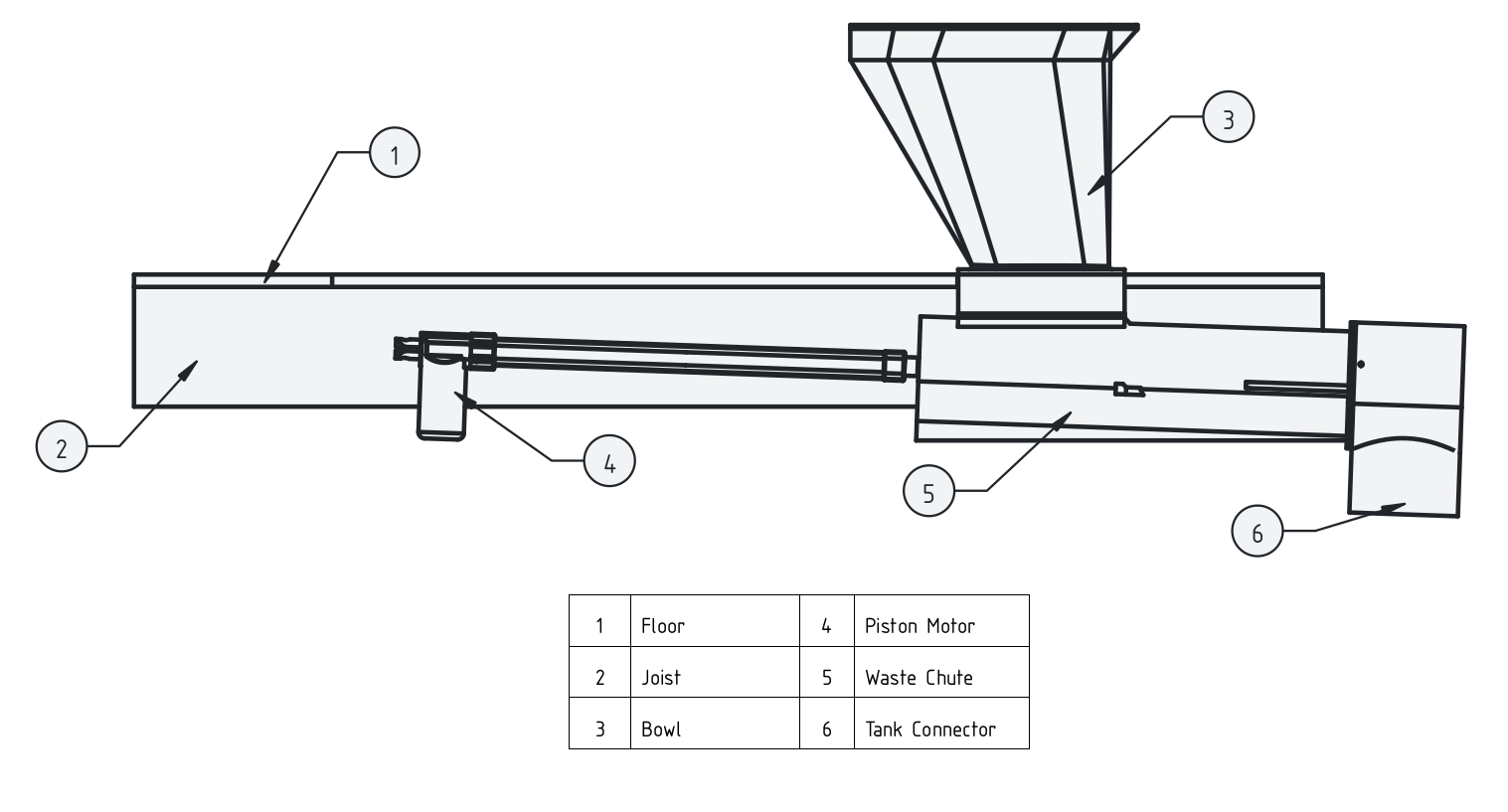
A look under the floorboards
Beneath the floor, a compact assembly does the work. A linear actuator pushes a single piston forward to create the dry flush. That motion moves all waste straight into the external tank during a “flush cycle”. Once the piston retracts, the toilet is ready for the next use.
A built-in micro-computer tracks each flush so you know when your system needs emptying. Everything stays contained, automated, and out of sight so the experience feels simple for every user.
3-D printed Solarid Toilet
The Solarid Toilet is the only 3D-printed toilet made in the USA. Built with one mechanical part and advanced automated dry flush technology for reliable, sustainable performance.
Compatible waste holding tanks
The Solarid Toilet connects to a waste holding tank using a standard 6-inch sewer pipe. This allows it to integrate with most commercially available sealed holding tanks used in structural builds. Standard septic pumping providers typically service these tanks.
Solarid can also connect to approved composting tank systems. This supports builds that use compost-based waste management as part of the overall site plan. More information on the reference tank can be found here.
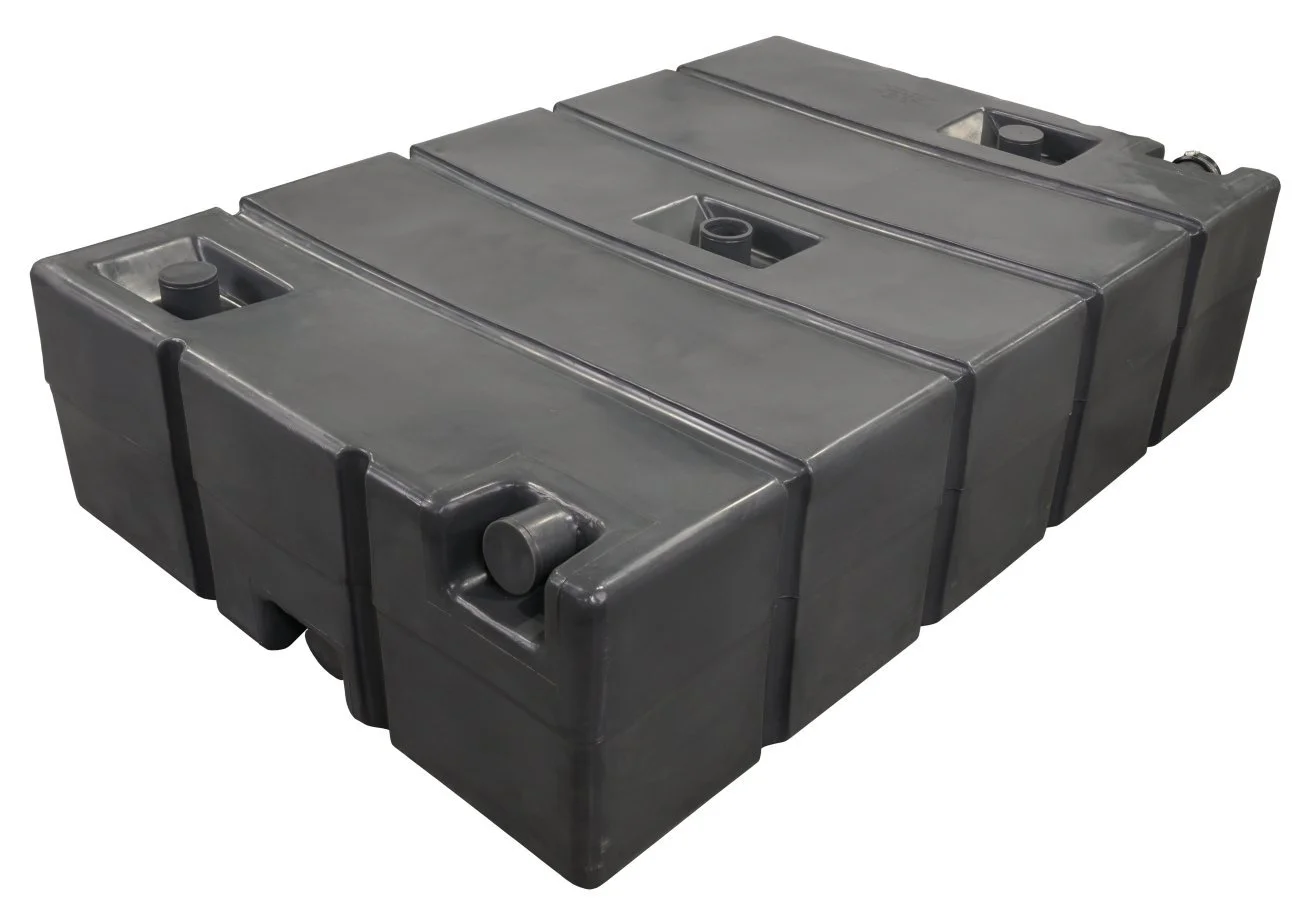
PolyJohn 250 Gallon Holding Tank
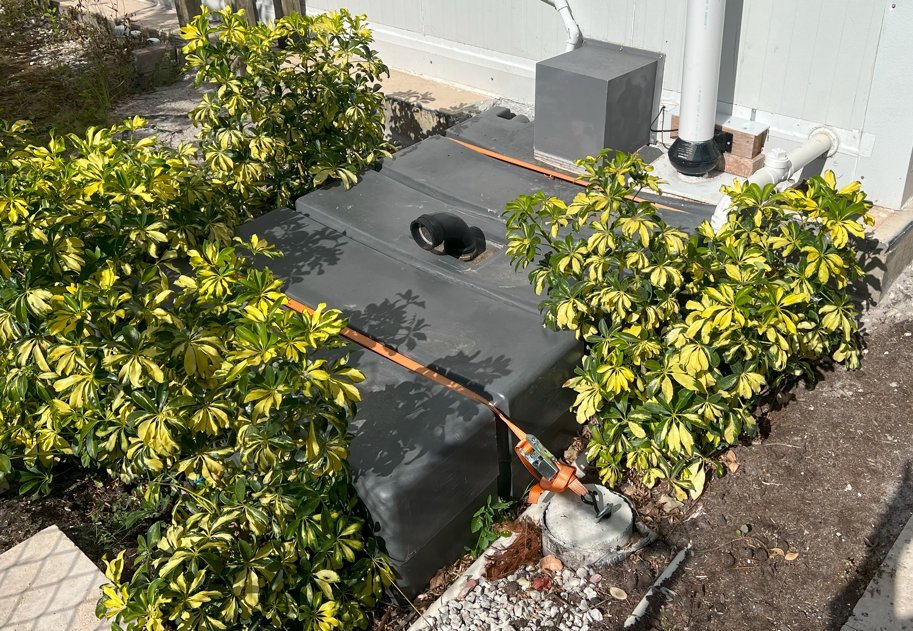
Holding Tank Landscaped behind an ADU
Let’s work together
We are currently seeking mission-aligned partners to pilot our Solarid Toilet dry-flush technology. Fill out the form below, and a member of our team will reach out.